Hydration is essential for feline kidney health, yet many cats refuse standing water bowls in favor of moving streams. We set up three popular stainless steel pet fountains in a multi-pet household to monitor daily water intake, pump noise levels, and cleanability. Over twenty-one days, we checked for bio-film buildup and recorded how easily each pump could be disassembled for weekly maintenance.
Biofilm Control and Surface Hygiene
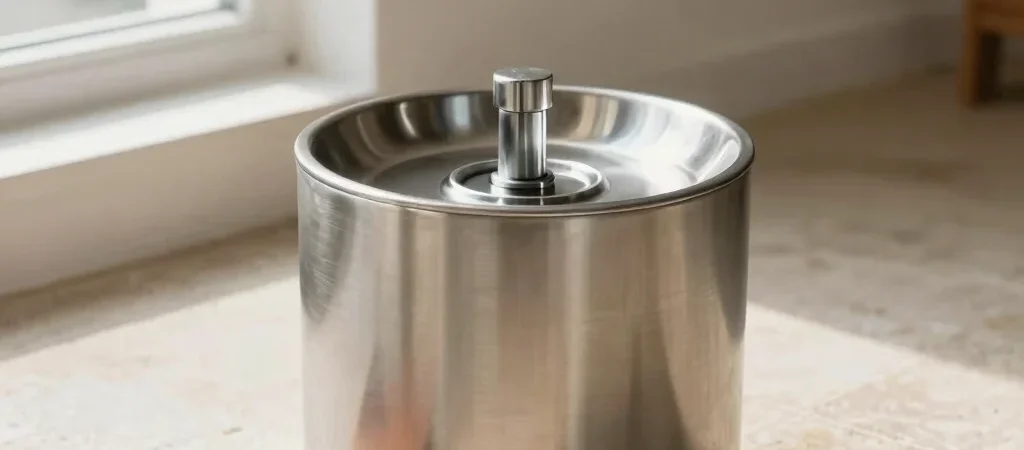
Plastic drinking fountains tend to develop micro-scratches over time where bacteria and slippery biofilm colonize despite frequent scrubbings. High-grade stainless steel bowls resisted biofilm buildup significantly better, remaining easy to wipe clean during routine teardowns. Smooth interior corners proved far easier to sanitize than designs with intricate decorative grooves or tight filter housings.
Pump Sound Levels and Electrical Reliability
Submersible water pumps frequently become noisy when hair or mineral deposits accumulate around the internal impeller shaft. Low-voltage magnetic drive pumps operated below forty decibels throughout our test period, maintaining quiet background operation. Models with removable foam pre-filters successfully kept cat hair out of the impeller housing, extending operational lifetime between deep cleanings.
Practical Advice for Cat Owners
A stainless steel fountain with an easily accessible sponge pre-filter is worth the modest investment for multi-cat homes. As an affiliate reader, buying through our links supports our unsponsored testing process while keeping our evaluation criteria transparent and fair. Plan to replace carbon filters every three weeks and disassemble the pump impeller monthly to ensure smooth water flow.