
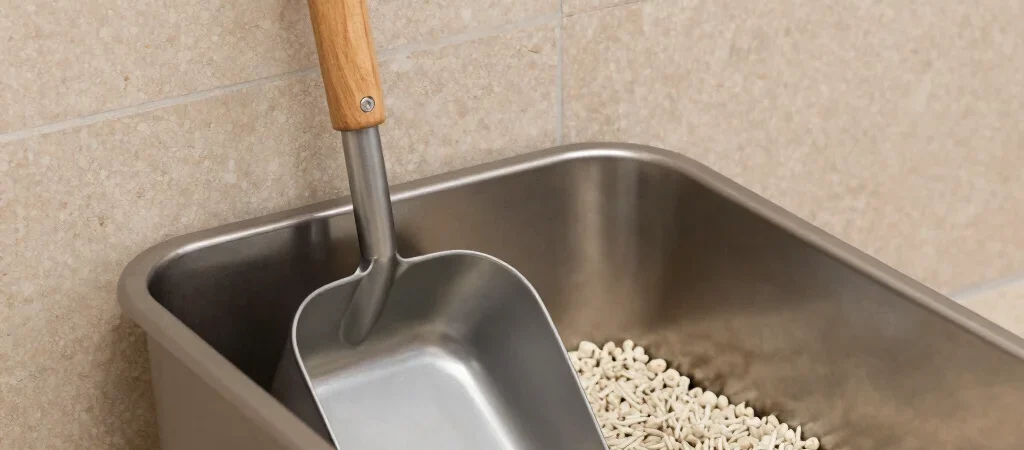
Switching from traditional clay litter to plant-based pea-fiber pelleted litters promises less airborne dust and softer paws for house cats. To test these claims objectively, we filled three identical stainless steel litter boxes with leading tofu litter formulas in a busy two-cat home. Over four weeks, we measured clumping speed, tracking distance from the box mat, and overall odor suppression under real living conditions.
Clump Strength and Liquid Absorption Rates
Quick absorption prevents liquid waste from pooling at the bottom of the tray and forming stubborn paste. Pellets made from compressed soy fiber formed tight, firm clumps within ninety seconds of liquid contact, making daily scooping straightforward. Slower-absorbing formulations allowed moisture to sink to the base liner, requiring aggressive scraping that broke clumps into messy fragments.
Dust Production and Tracking Behavior
Airborne clay dust can trigger respiratory irritation in sensitive cats and owners alike during morning box cleaning. Tofu litter pellets produced virtually zero visible dust clouds when poured or scooped, keeping surrounding tile surfaces clean. However, lighter pelleted shapes were easily carried out on feline paws, requiring a coarse-mesh tracking mat directly outside the box entry.
Final Durability and Value Breakdown
While plant-based litter carries a higher initial price tag per pound, its superior absorbency means less material is discarded with each cleaning cycle. Our recommendations are supported by affiliate link commissions that allow us to purchase all testing supplies independently. For households prioritizing low dust and easy waste management, high-density tofu pellets provide an effective alternative to traditional clay.


